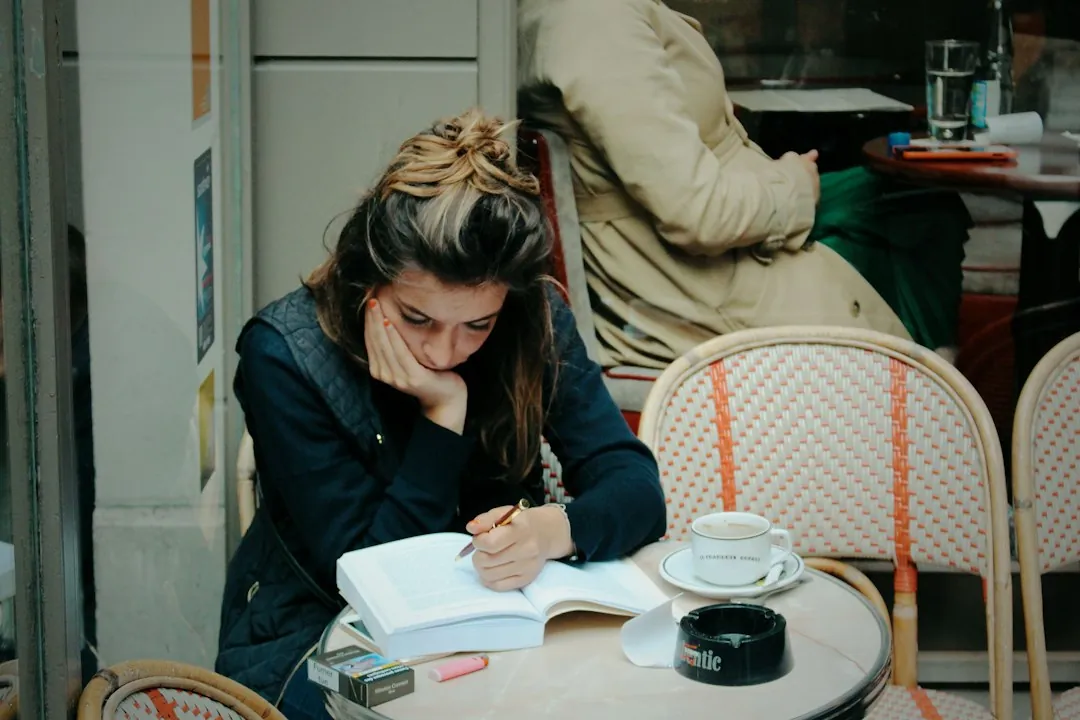
Many homeschool weeks drift toward one posture: sitting.
Reading. Writing. Math. Screens. More sitting.
And then we wonder why attention runs thin, why motivation fades, and why “school” starts feeling like something to get through instead of something that actually builds a kid.
I’ve been homeschooling for over twenty years. I’ve also spent my career teaching teens how to make things with their hands. And I’ll tell you straight: shop class isn’t a break from education. For many kids, it’s what makes education work.
The research backs this up. The CDC looked at school-based physical activity and found it’s associated with neutral-to-positive outcomes for academics and attention. Not a tradeoff. An upgrade. (CDC Stacks)
What We Actually Teach at Kilroy’s HSE
At Kilroy’s Workshop, our HSE program covers five tracks. Each one builds something different, but they all teach the same core lesson: you can figure things out, and your work matters.
Decorative Ironwork — Design, layout, measurement, finishing. It’s art you can hang on the wall and math you can touch.
High School Welding — Safety, skill progression, accuracy, discipline. Welding doesn’t let you bluff.
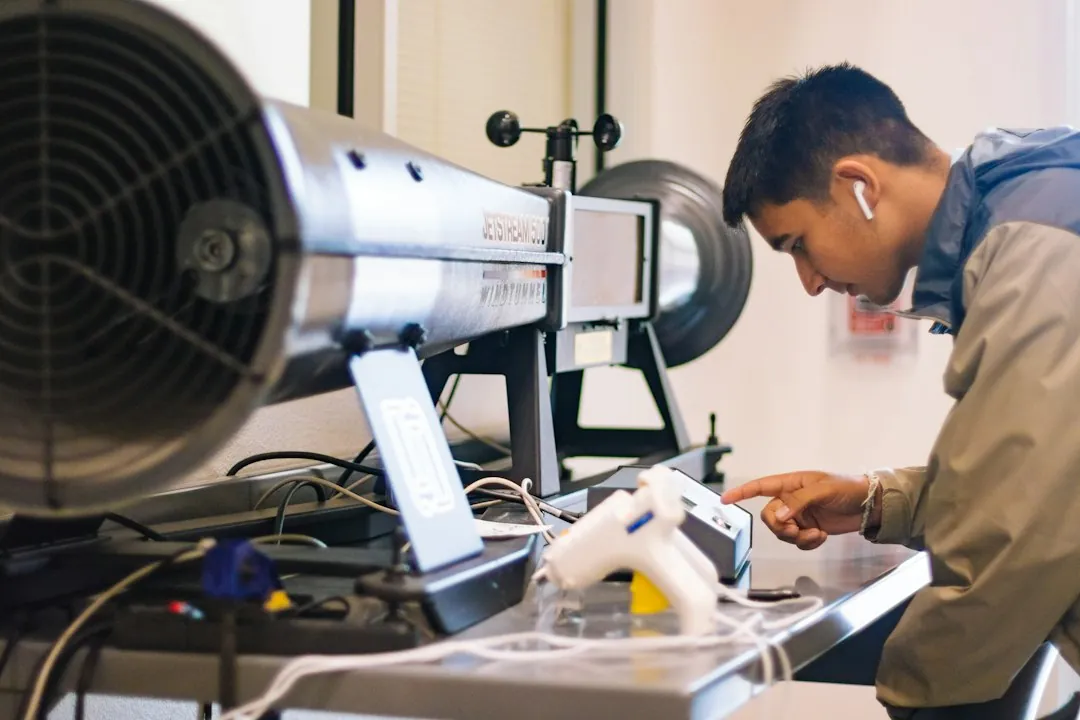
CAD / 3D Printing / Robotics — Digital-to-physical thinking. Modeling, iteration, tolerances, troubleshooting. The printer doesn’t care about your intentions—it cares about your file.
Multidisciplinary Construction + Life Skills — Planning, sequencing, tool use, problem-solving. Learning to be useful.
Digital Art — Design fundamentals, workflows, and visual communication. Real creative production with real tools.
These aren’t extras. They’re the missing half of education for most teenagers: agency, competence, and the experience of finishing something that works.
Colorado Law Already Makes Room for This
My wife and I homeschool in Colorado, so I know these laws best, but check with local home education groups where you live to see about your state’s regulations. HSLDA can be a great resource for this as well.
Colorado’s homeschool statute is practical. It requires 172 days of instruction averaging four contact hours per day, covering reading, writing, speaking, math, history, civics, literature, science, and the U.S. Constitution. (FindLaw Codes)
Notice what it doesn’t require: desks.
Hands-on learning covers those subjects naturally:
- Math is constant—measurement, geometry, tolerances, scaling.
- Reading becomes functional—instructions, drawings, specs.
- Writing and speaking become real—explaining a plan, documenting what went wrong, and presenting a finished project.
- Science becomes visible—materials, heat, force, failure modes.
Shop class might be the most efficient way to hit required subjects without kids feeling like they’re grinding.
(I’m not a lawyer. But I’ve been doing this a long time, and Colorado’s framework clearly leaves room for real-world instruction.)
Credits Don’t Matter—Until They Do
For younger students, forget about credits. What matters is growth: attention span, resilience, motor skills, confidence, follow-through, pride in real work.
But for high schoolers, documentation matters. And shop class becomes a gift twice: it’s a powerful education, and it translates cleanly to a transcript.
The Simple Math
The Carnegie Unit is the standard: one high school credit equals roughly 120 hours of instruction. (Carnegie Foundation)
At Kilroy’s HSE, students get 96 hours per semester.
- 96 ÷ 120 = 0.8 credit per semester
- Two semesters = 192 hours = easily a full-year credit (and then some)
So you can list a semester as 0.75 or 0.8 credit, depending on how your transcript handles increments. A full year is a clean 1.0 with hours to spare.
A Note for Colorado Families
Colorado expects families to keep education records. A clear log and portfolio make this painless.
How to Track It Without Drowning in Paperwork
If your teen is using HSE for high school credit, keep these three things:
1. Hours log — Date, time, what they worked on. A running list is fine. If at Kilroy’s Workshop HSE, we keep attendance records.
2. Course description (one page) — What the class covered: safety, tools, processes, projects, and how you assessed competence.
3. Portfolio evidence — Photos, design files, build sheets, short reflections. “What failed and what I changed” is worth more than a letter grade.
That’s it. With those three pieces, any transcript line becomes easy and defensible.
The Real Point
Homeschooling gives you something most systems can’t: control over the rhythm of learning.
Shop class gives you what academic-heavy weeks often lack: movement, meaning, tangible progress, and real confidence built one finished project at a time.
Whether your student is 9 or 17, this belongs in the week. Not as a reward or a break—as a backbone.
Originally published on Kilroy’s Workshop HSE on Substack.
Keep reading
More from the workshop.
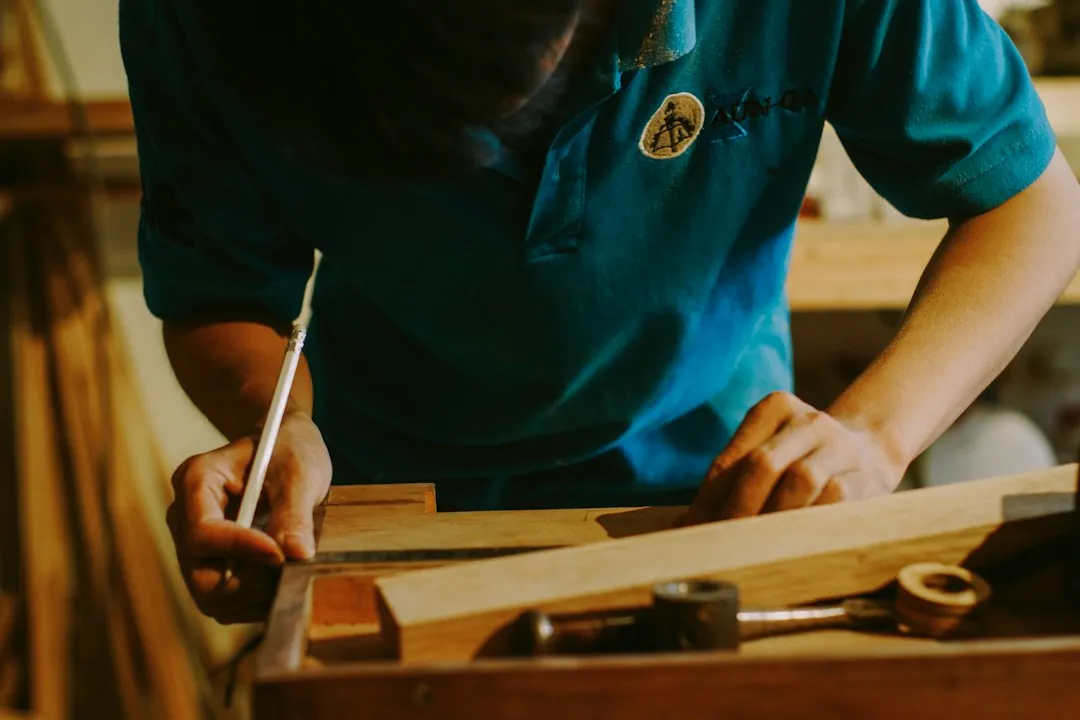
Your Hands Teach What Your Head Can’t
Why making things forms you in a way information never will
Read the article