Most homeschool parents don’t need another reminder that academics matter. You already know that part.
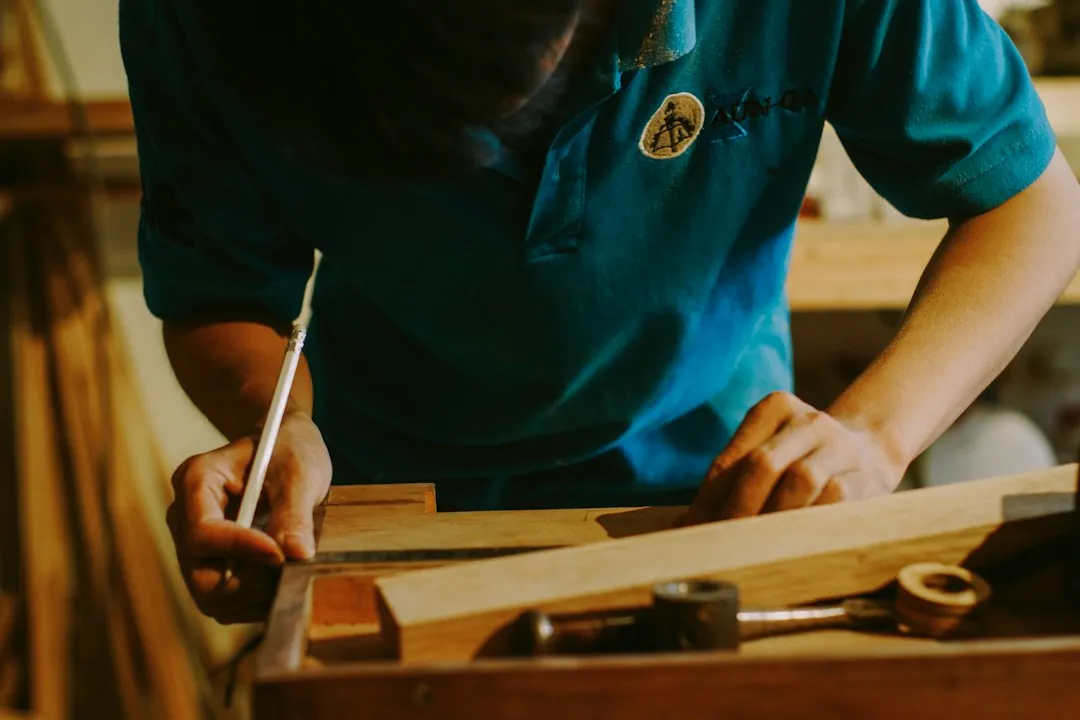
What’s easier to miss is that a great homeschool week is not built solely from books and screens. It’s built out of rhythm. Movement. Meaning. Work that has actual consequences. Work that tells your kid, “This is real, and you can do it.”
That’s the gap hands-on learning is built to fill.
You don’t need a full workshop to give your kids a shop class. You need a few tools, a safe corner of the house or garage, and one mindset shift. Making things is not an extra. It’s a core way kids learn to think.
After twenty-plus years of homeschooling my own kids and watching thousands more come through Kilroy’s Workshop, the pattern is consistent. Students who can’t sit still in a traditional classroom focus hard when their hands are involved. The kid who hates math will measure five times because they want the cut to be right. The kid who “doesn’t like writing” will document a build because they’re proud of what they made. Hands-on work makes learning honest.
Here’s what that can look like at home, age by age, without turning your house into a jobsite.
Ages 6 to 8: build the muscles that make school work
At this age, the goal isn’t mastery. It’s confidence.
Focus on fine motor skills, following steps, and finishing something small. These kids want wins. Give them wins.
Do at home
- Cardboard engineering. Bridges, ramps, marble runs, “machines” out of scrap and tape.
- Simple fasteners. Nuts and bolts boards, reusable zip ties, clothespin contraptions.
- Safe cutting and measuring. Kid scissors and a tape measure. “Measure this room. Measure that table.”
- Cooking as shop class. Recipes teach sequencing, measurement, heat safety, and cleanup standards.
Tools that matter
- A small tape measure
- Safety glasses that actually fit
- Cardboard, tape, glue, binder clips
- A project tray or bin so you’re not cleaning the whole house every time
How to connect it to academics
- Read the instructions out loud together
- Write one sentence: “Today I built...”
- Count, estimate, and measure everything
At this age, you’re training confidence more than content. Get those right, and the academics get easier later.
Ages 9 to 11: real tools and real responsibility
This is the sweet spot for shop class at home. Kids are capable, still enthusiastic, and hungry to be trusted.
The goal here is safety habits, accuracy, and the pride that comes from doing it right.
Do at home
- Wood projects with simple joints. Birdhouses, tool totes, small shelves, and picture frames.
- Repair projects. Fix a loose cabinet hinge, tighten a bike seat, patch a ripped backpack.
- Layout and accuracy. Straight lines, square corners, measure twice and cut once, with you watching.
- Hand sewing and leather basics. Stitching is craftsmanship, not arts and crafts.
Tools that matter
- Small hammer, screwdrivers, and adjustable wrench
- Hand saw, or coping saw
- Speed square
- Sandpaper and clamps
- A simple hand drill, with close supervision
Culture move for the house
If they can use a tool, they can maintain it and clean up after it. That isn’t punishment. That’s part of the lesson. The work isn’t done when the project is finished. It’s done when the bench is clean.
Ages 12 to 14: projects with purpose
Middle school is where a lot of kids start asking, “Why am I doing this?” Hands-on work is one of the cleanest answers you can give them.
The goal is to shift from fun projects to useful projects, and to build the habit of planning before swinging a hammer.
Do at home
- One household upgrade a month. Install hooks, build a shelf, organize a space, fix a wobbly chair.
- Design then build. Sketch first. Let the sketch be imperfect. Teach revision.
- Intro CAD. TinkerCAD or a Fusion-style tool, then 3D print small functional parts.
- Basic electrical and plumbing awareness. Learn what breakers do, swap a light switch cover, and understand water and gas shutoffs. Supervised, always.
Tools that matter
- Cordless drill driver and a basic bit set
- Calipers, yes, really
- A simple 3D printer, if you’re ready, or use a local library or makerspace
- A notebook for project plans and “what changed and why”
Where the academics show up
Geometry lives in angles, layout, and squareness. Writing lives in a project log: materials, steps, mistakes, fix. You don’t have to manufacture connections to school subjects. Real work is full of them already.
Ages 15 to 18: transcript-ready work and real skill
High schoolers can do serious work. They can also burn out fast when everything feels abstract.
The goal here is competence. Not dabbling. Real skills that transfer into life, jobs, and adulthood.
Do at home
- A capstone is built each semester. A table, a welding or forge project, if you have access, a robotics build, or a portfolio of digital designs.
- A weekly lab block. Three to five hours of hands-on work, on the schedule, treated like math.
- Maintenance and systems. Sharpening, tool upkeep, shop organization, material inventory, and budgeting for parts. The boring work is the work.
- Career exploration without pressure. Interview a tradesperson. Visit a shop. Find out what entry pathways actually look like.
Track it simply for the transcript
If you want this to count as high school credit, don’t overcomplicate it. Track:
- Hours spent
- Skills covered
- A portfolio of photos and files
- A one-page course description
That’s enough for most homeschool transcripts and most scholarship applications. More importantly, it builds a story of growth your kid can talk about with confidence.
The part most parents miss
Your job isn’t to be the expert.
Your job is to make a space where making things is normal. Give your kids problems worth solving. Give them tools with boundaries. Give them a place where mistakes aren’t shameful, they’re information.
Homeschooling gives you freedom over the rhythm of the day. Hands-on work gives you the missing half of education: movement, meaning, and the kind of competence that follows a kid into the rest of their life.
Start small. Start this week. Pick one project. Put it on the calendar. Let shop class become the backbone that makes the rest of your homeschool week work.
Originally published on Kilroy’s Workshop HSE on Substack.
Keep reading
More from the workshop.
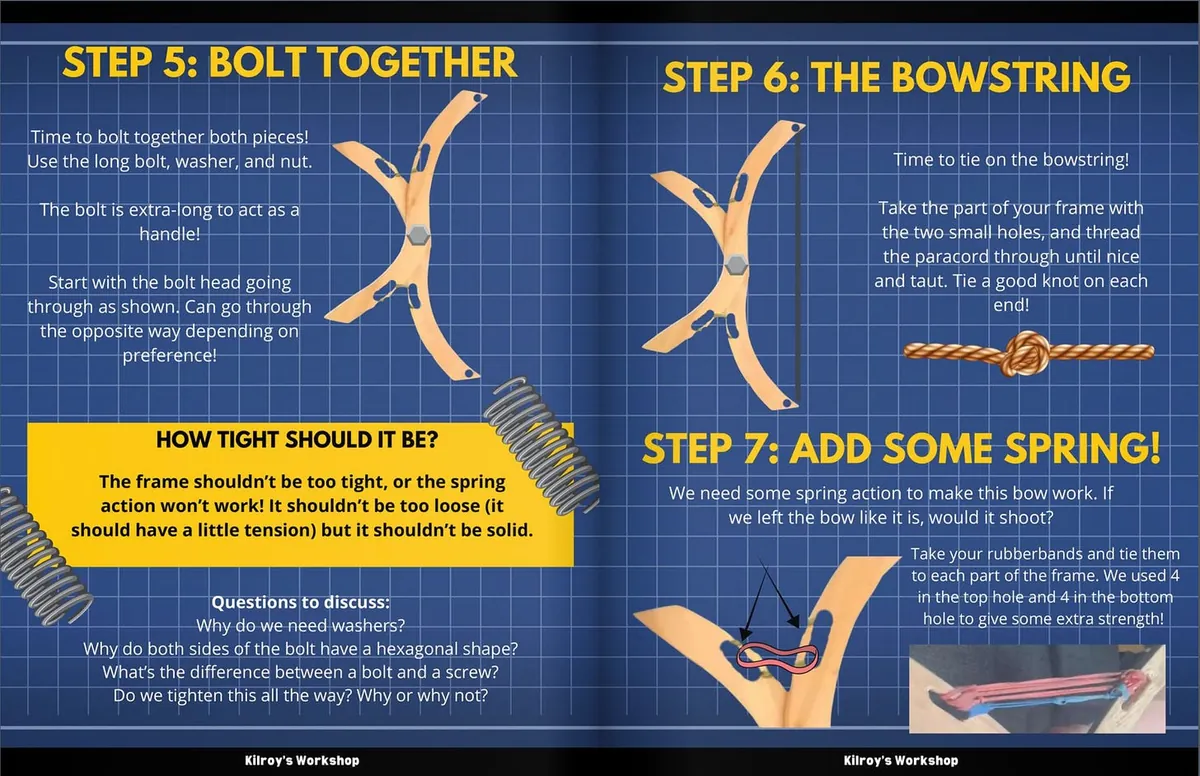
Your Hands Teach What Your Head Can’t
Why making things forms you in a way information never will
Read the article