
Most homeschool days lean hard on reading, writing, and sitting. Shop flips that on its head:
- It’s tactile – hammers, files, drills, clamps, saws.
- It’s immediate feedback – “Did it work or not?”
- It’s real world – hooks that hold coats, knives that cut, shelves that hold books.
For many families, the shop becomes:
- The “buy-in” subject – “Let’s knock out math and reading, then you get shop.”
- A confidence engine – “I built that. It used to be raw metal/wood, now it’s a thing.”
I see it consistently. The kid who can’t focus on a workbook will stand at a bench for 90 minutes trying to get a cut or curve just right. It’s a miracle to see for a frustrated parent (I see this all the time), and it’s life-altering to a kid who finds the place where they belong.
It doesn’t magically fix everything, but it gives them a domain where they win.
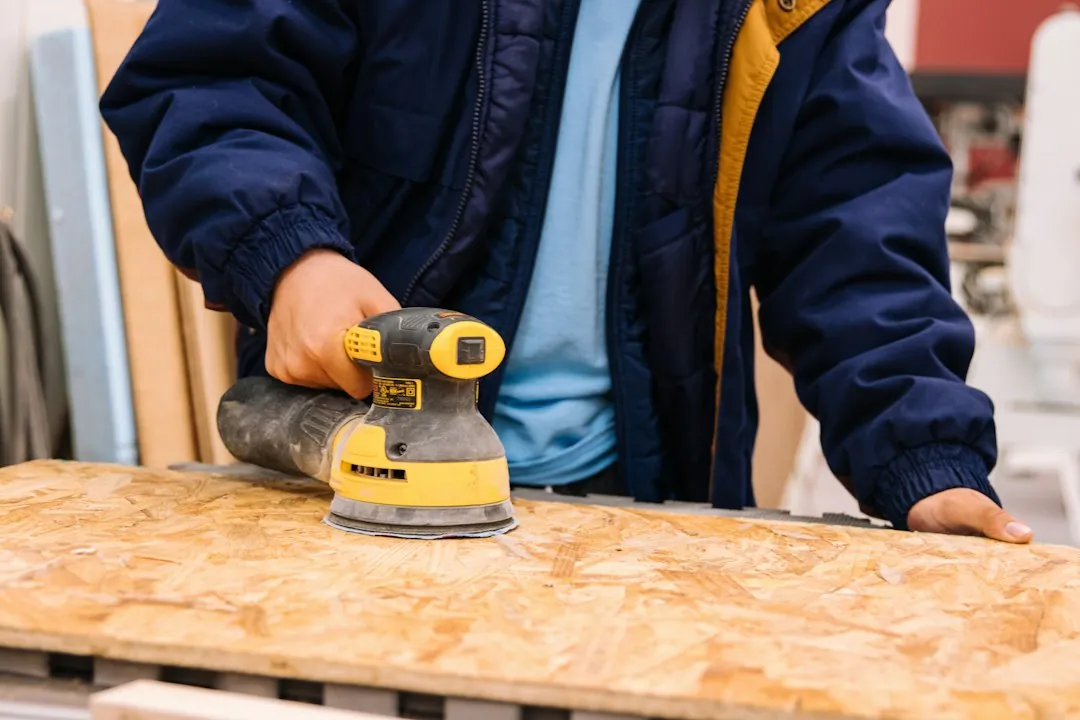
ADHD, ASD & the shop: why they thrive
In our youth programs, the numbers are pretty steady:
- About 40% of our youth students self-report as ADHD, or my Active Learners!
- Roughly 10% self-report on the autism spectrum.
Those same traits often become strengths in a shop environment:
- High energy → stamina for physical work
- Hyper-focus → incredible detail on projects they care about
- Need for clear rules → they actually like safety rules because they’re concrete
With clear routines, these kids often find shop time to be one of the most regulating and confidence-building parts of their week.
You don’t need a forge in the basement
You can think of shop class in layers and grow into it:
Kitchen-table shop (start here)
Focus: hand tools & problem-solving
- Tool how-tos. We have teens come to the shop who have never used a screwdriver. There are simple tools that you can cover that don’t cost a fortune and fall into the life skills category.
- Take apart an old alarm clock, toy, or appliance.
- Involve them in car maintenance (that we all need to do anyway, right?).
- Build simple kits: model cars, snap-together electronics, basic woodworking kits
Goal: hands-on tools + basic safety
Things like “tools down when someone is talking” and “blades point away” are foundation-level skills.
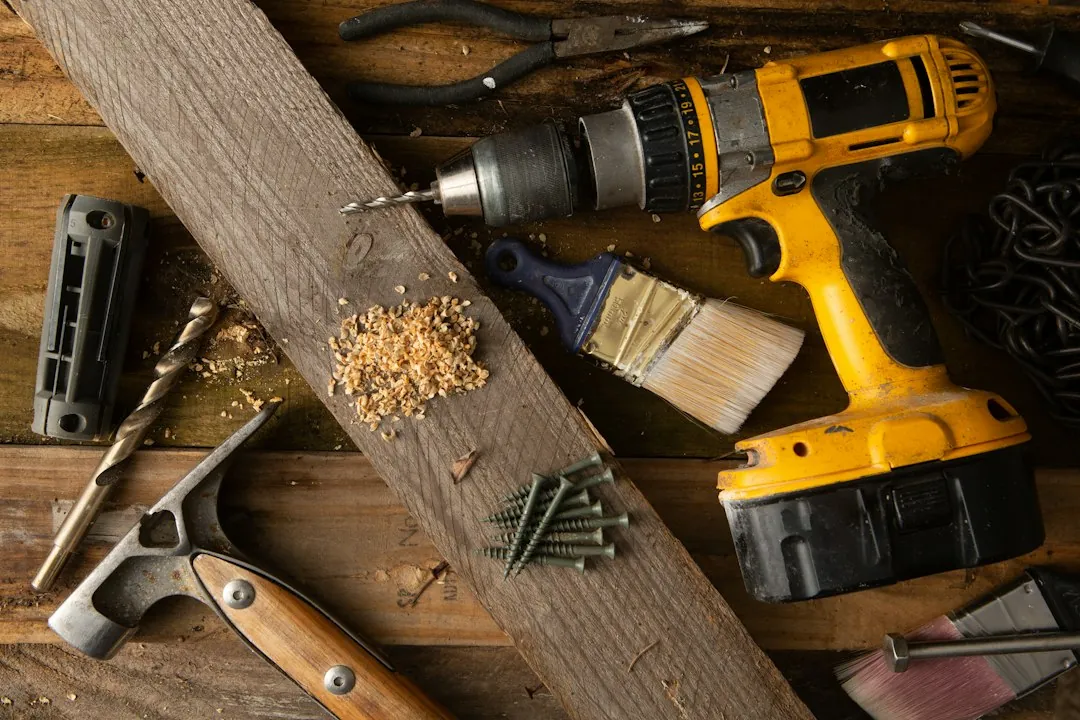
Garage/backyard shop
Focus: basic wood and simple metal
Start with:
- A sturdy surface (an old door on saw horses works!)
- Clamps, hand saw, drill/driver, tape measure, square
- Safety glasses and hearing protection
Great starter projects:
- Simple shelves or crates
- A coat rack or key holder
- Birdhouse or planter
- Basic hooks if you have a small forge or propane torch
Aim for projects with visible progress in 1–3 sessions. Projects that will be used around the house are incredible, as kids can see their work in use every day. ADHD/ASD kids especially respond well when something recognizable comes to life quickly.
Co-op/community shop
Focus: bigger tools, bigger wins
If you can, plug into:
- A co-op shop class
- A local makerspace
- A trade school/community program that welcomes youth
Larger tools (bandsaws, welders, forges, CNC, etc.) bring huge opportunities for high schoolers—if there is:
- A strong safety culture
- Responsible adult supervision
- Clear, consistent rules
This often becomes the outsourced shop class that still fits perfectly inside your homeschool goals.

Structuring shop time for neurodivergent kids
Here are some patterns that help our ADHD and ASD students—and translate well to home or co-op:
- A predictable rhythm every time
- Phones away. Shop is a distraction (and device) free environment.
- Stated main objectives per session
- “Today we’re measuring and cutting accurately.”
- “Today we’re drilling holes without blowing out the back.”
- Some free time to explore the tools and make safe mistakes
- Don’t focus on perfection. Instead, celebrate lessons learned from mistakes and then the growth!
- Use short micro-deadlines
- “Let’s have these two boards cut in the next 15 minutes.”
- Helps channel their energy and keeps them from getting overwhelmed.
- Let them move
- Standing, shifting, even a bit of pacing is fine if it’s safe.
- Many kids listen better when their hands or bodies are engaged.
- Celebrate it works before it’s perfect
- Function first, refinement later.
- You can always come back and talk about craftsmanship as their confidence grows.
But I’m not handy…
You don’t have to be a master craftsperson to give your kids shop skills.
You can:
- Stay one week ahead – watch a 10-minute video, practice once, then teach the simplified version.
- Borrow a mentor – a grandparent, neighbor, or friend who works with tools can be a huge gift.
- Outsource the heavy stuff – it’s okay if welding, forging, or big machines happen elsewhere while you focus on light shop at home.
What your kids need most is not perfection; it’s:
- A safe space
- A calm, steady adult
- A chance to build real things and see that they can
If your homeschooler is the kid who’s bouncing off the walls, hyper-focusing on building games, or burning out on worksheets, it might be time to move shop from the “extra” column to the core column.
For so many of our students—especially those who fall into the ADHD & ASD paths, shop is where they finally realize:
“I’m not broken. My brain just really likes building things.”
As always, whatever tools you use, make sure you’ve got proper safety gear and adult supervision.
Originally published on Kilroy’s Workshop HSE on Substack.
Keep reading
More from the workshop.

Your Hands Teach What Your Head Can’t
Why making things forms you in a way information never will
Read the article